Truxton Extreme Team Mode — Two-Player Shared-Life Co-op
Split-screen sorties with shared resources, partner rescue, and advanced frame redirection for coordinated clears.
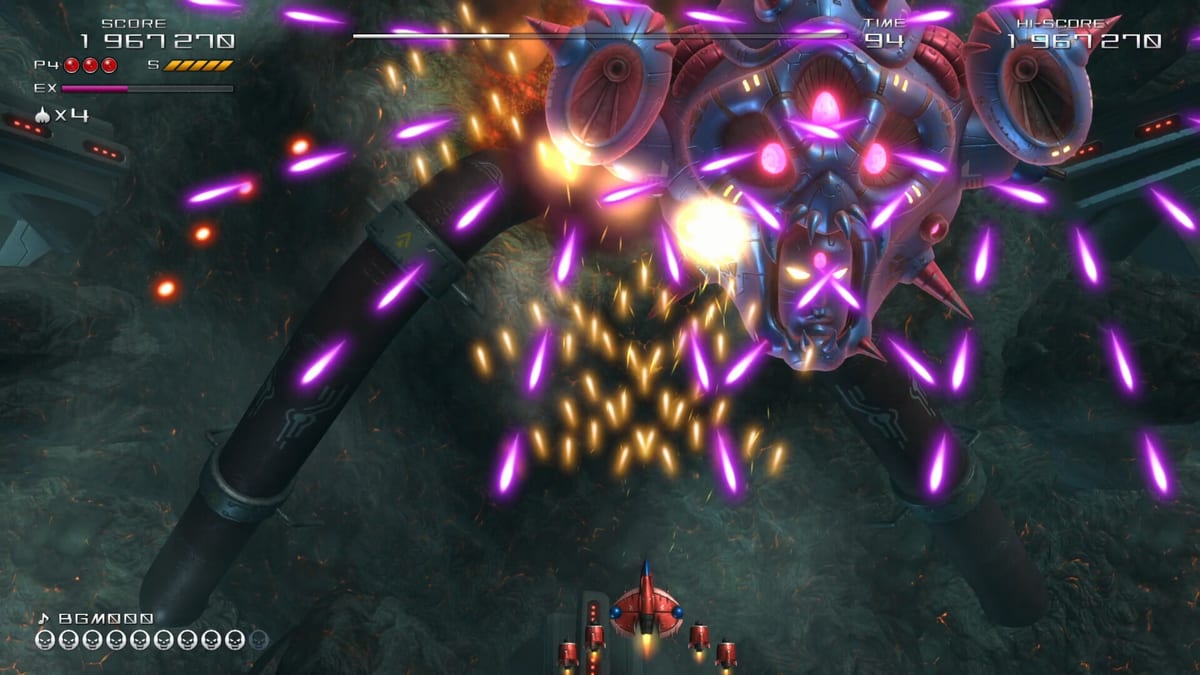
Team Mode is Truxton Extreme’s answer to couch co-op for vertical shooter fans. Two pilots share one fate on the sortie: a single life pool, one bomb stockpile, and a unified score ticker. That design choice removes the classic problem where Player Two treats continues as free while Player One carries the run — but it also demands communication because every mistake taxes both players equally.
Local split-screen co-op matches the platform fact sheet: same-room play on Steam, GOG, PlayStation 5, Xbox Series, and Nintendo Switch 2 without online matchmaking in the base design. Before you queue Team from the title screen, read the dedicated how to play co-op guide for controller setup and screen layout notes.
Shared resources explained
Team Mode merges survival economies that other modes keep separate:
- Shared lives — the team burns from one counter. When it hits zero, the sortie ends unless continue rules apply on your platform.
- Shared bombs — either player can deploy bombs, draining the communal stock. Coordinate before phase transitions so you do not double-bomb the same readable pattern.
- Shared score — all points feed one total, which matters if you are chasing unlock thresholds like the 300,000 first-stage gate tied to Arena and Training in community reports.
Weapon levels may per-player depending on ship pick — verify in-game HUD — but resource starvation is always team-wide. One player hoarding bombs while the other dies repeatedly is a strategic failure, not a individual stat line.
Partner rescue with bombs
When a pilot is shot down, they enter a downed state rather than immediately ending the run if lives remain. The surviving partner can rescue them by touching the downed ship while carrying at least one bomb in stock. The rescue consumes the touch interaction and revives the partner without necessarily spending the bomb — exact animation timing varies by patch, but the requirement to hold bomb stock is consistent in player documentation.
Rescue tactics:
- Keep one bomb in reserve during duo runs when possible, treating it as a revive token insurance policy.
- Move to the downed partner during invulnerability windows after your own grazes, not during peak bullet density.
- Call out verbally before attempting rescue — the rescuer often inherits positional risk.
Failed rescue attempts — reaching a partner without bomb stock — leave them down until the shared life system resolves the state. Practice rescue timing in Heart Starter solo first is impossible; instead use early Story stages with low stakes before Team hard content.
Frame redirection — advanced co-op tech
Experienced teams use ship frame positioning to redirect enemy shots away from the partner line. Certain enemy bullet types track the nearest ship hitbox; by placing your frame between the emitter and your partner, you skew spawn angles or absorption paths enough to open a safe lane.
This is not an official menu option — it emerges from collision and targeting rules. Redirection requires:
- Vertical spacing discipline so frames do not overlap accidentally.
- Knowledge of which enemies use homing vs fixed spreads from Model Viewer study.
- Agreement on who leads aggro during boss enrage phases.
Document successful redirection routes per boss in your local notes; Tatsujin bosses reuse pattern families across Arcade and Team.
Team vs Story and Arcade
Story Mode delivers manga episodes and character routes for solo progression. Arcade Mode chases sequential 1CC credibility. Team Mode prioritizes cooperative survival and shared score over narrative unlocks — you will not see exclusive episode comics here, but enemy defeats still contribute to Pipiruville rescue totals.
Many groups run Team after each player solo-clears stage one in Story or Heart Starter so both understand base patterns. Jumping into Team cold on stage four mini-bosses usually wastes shared lives fast.
Ship and weapon coordination
Pick complementary loadouts from the weapons guide rather than duplicating the same sub weapon. Ideal pairs cover horizontal gaps vs vertical chokes. If both players run identical main weapons, stage two small enemy waves clear fast but boss weak points suffer.
Bomb coordination example: Player One holds aggro left; Player Two grazes right and reserves bomb for rescue instead of damage. Swap roles on even stages to prevent skill rust on one side of the screen.
Unlock and availability
Team Mode availability follows the general mode unlock tree on the Unlocks page. It is not the default boot mode — Heart Starter and Story remain onboarding paths — but Team typically appears once your save progresses past initial tutorials. Use the unlock checklist tool if Team stays greyed out after Story clears.
Scoring and Arena crossover
Because score is shared, Team runs can theoretically push unlock thresholds faster with two players grazing — but screen split reduces visibility and increases collision risk. Solo Arena two-minute drills often produce cleaner personal skill before Team score chasing.
Pipiruville and side progression
Rescue counts for Pipiru aliens aggregate from Team defeats like solo modes. Co-op teams sometimes farm specific stages with dense small enemies to accelerate Pipiruville village unlocks, trading narrative pace for meta progression.
Etiquette and continue policy
Agree on continue usage before starting. Shared lives mean one player’s continue habit affects both wallets on platforms that charge continues per credit. For serious attempts, disable casual continues or treat each run as single-session.
When to choose Team Mode
Choose Team when you have a dedicated second player, stable communication, and interest in rescue mechanics beyond solo survival. Stay solo in Arcade for 1CC pride. Use Training to isolate boss segments before Team tackles full six-stage chains.
Team Mode captures the arcade spirit of shouting across a cabinet — except both players own the same credit line. Master shared bombs, rescue touches, and frame redirection, and Team becomes the most socially intense entry on the select screen.
Frequently Asked Questions
Quick answers to the most common questions.
Is Team Mode networked multiplayer?
Truxton Extreme Team Mode is built around local split-screen co-op. Online play is not the focus of the base release — check platform notes in the co-op guide for any post-launch updates.
How does partner rescue work?
Touch your downed partner while you have at least one bomb in stock to revive them. Coordinate bomb reserves so you are not empty when a rescue is needed.
Are lives and bombs shared in Team Mode?
Yes. The team draws from one life pool, one bomb stock, and one score total. Either player can spend bombs, so communication prevents double usage.
What is frame redirection?
Advanced teams position ship frames to influence enemy shot angles, creating safer lanes for the partner. It relies on targeting rules and spacing, not a separate menu option.
Should we learn solo before Team Mode?
Recommended. Each player should clear early Story or Heart Starter stages solo so shared lives are not spent teaching basic patterns mid-run.